
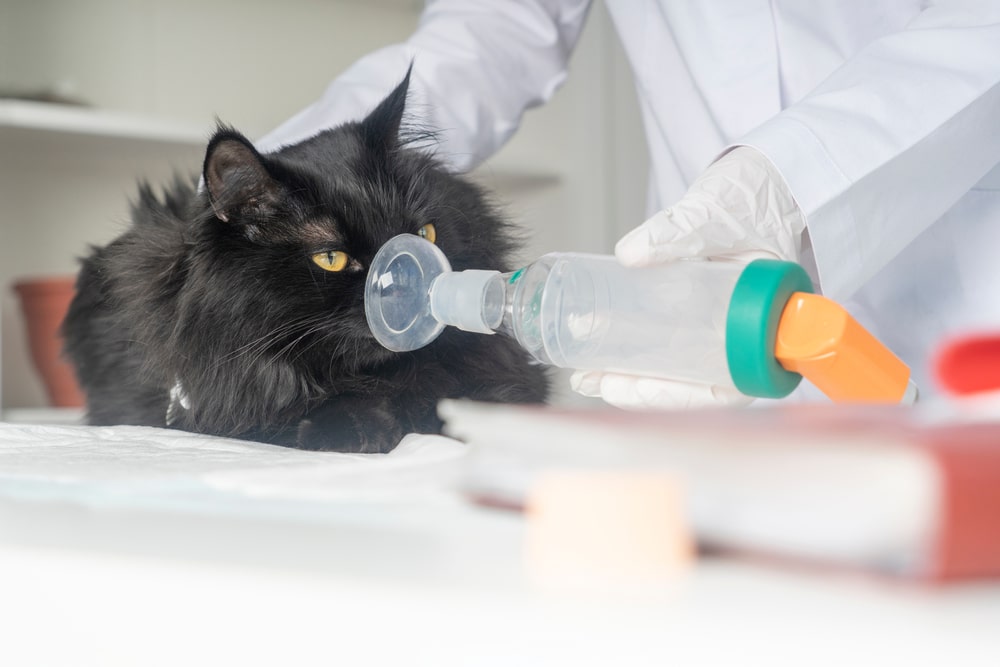
Upper respiratory infections in cats, particularly young cats, is quite common and typically referred to as feline upper respiratory disease complex. There are several causative agents associated with the complex including viral and/or bacterial organisms and they are highly contagious organisms. The common organisms are Feline Herpesvirus, Feline Calicivirus, Bordetella, Mycoplasma, Chlamydia felis.
Diagnosis of the disease is typically based on history and physical exam findings but occasionally swabs of the nasal cavity, eyes and back of the throat may be recommended by your veterinarian for a more definitive diagnosis. If there is concern for lower airway involvement then bloodwork and chest x-rays may be recommended by your veterinarian as well.
The symptoms in cats can range including:
- Sneezing and nasal discharge
- Ocular discharge and corneal ulcers (conjunctivitis)
- Oral lesions
- Inappetence
- Fever
- Difficulty breathing
Some cats have self-limiting signs while others that are not eating well at home due to the respiratory illness, or, have other more serious signs such as difficulty breathing will need to see a veterinarian to discuss treatment options.
There is a percentage of cats that may be exposed to these organisms at some point in their lifetime and become carriers of the disease. These cats may have “flare-ups” with reactivation of the viruses causing respiratory symptoms during times of stress (veterinary procedures, systemic illness, boarding, travel, etc.) but the symptoms are typically mild and can resolve without specific intervention. Cats with signs of infection can continue to spread the disease for up to 3 weeks following symptoms so limiting contact with other cats during this period is crucial.
Treatments range from eye medications, nebulizing or humidifying treatments to break up nasal secretions, intravenous fluids to prevent dehydration if not eating well, and antibiotic therapies to treat secondary bacterial infections. In refractory cases an anti-viral treatment may be prescribed for 3-4 weeks. Anti-viral treatment is somewhat controversial due to the timing of the treatment as these treatments are only effective during the first few days of infection. Once the cat has started showing symptoms the anti-viral medications may not be effective. In severely affected cats that do not respond to standard therapies they may need to spend time in the hospital and/or have temporary feeding tubes to help provide nutrition to help them feel better.
The infection is transmitted through nasal/oral secretions and the organisms are highly contagious. Practicing good hygiene by cleaning toys, bowls and washing hands after petting other cats can help limit spread of disease. Upper respiratory infections are commonly seen in environments such as boarding facilities and animal shelters due to there being a high exposure risk to other cats. After you bring a new cat into the household it is recommended to keep them separate from your other cats for 2-3 weeks to help prevent spread of infection. Although no vaccine can completely eliminate the chance of disease, there is a vaccine for cats that will help protect them from the common organisms and limit the severity of disease if contracted.
Posted by Christina Whitley, DVM, DACVECC – Chief Medical Officer at Animal Urgent Care of Oconomowoc




Leave A Comment